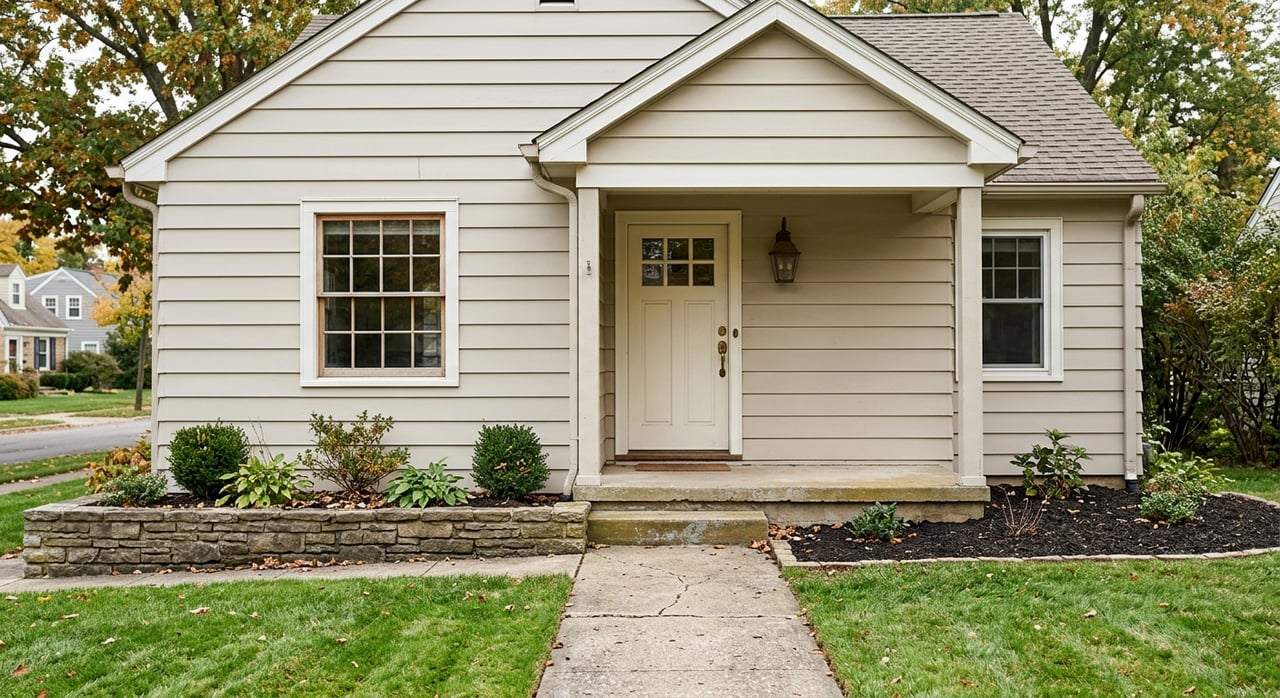
Buying a Fixer in Concord: What to Check Before You Commit
If you have ever walked into a Concord fixer and immediately started picturing the finished kitchen, fresh paint, and updated floors, you are not alone. The hard part is that the real story often sits behind the walls, under the floors, and in the city permit record. Before you commit, it helps to know what older Concord homes typically need, where surprise costs tend to come from, and how to evaluate the project with clear eyes. Let’s dive in.
Concord has more than 49,000 housing units, and a large share of its housing stock is made up of single-unit homes. The city also has an older housing profile, with 79.4% of owner-occupied homes built before 1980 and 73.0% built from 1950 to 1979. In practical terms, that means many fixer opportunities in Concord are older postwar homes rather than newer houses that just need cosmetic updates.
That age matters because older homes are more likely to have original materials, aging systems, and deferred maintenance. A lower purchase price can be appealing, but the real question is how much work the home needs to be safe, functional, and permit-compliant. In Concord, a fixer is often a project of hidden condition and planning, not just design.
Fresh landscaping or an outdated kitchen is easy to see. What is harder to spot during a showing are the issues that can shape your timeline and budget the most.
For many Concord buyers, the smartest first question is not, “How will this look when it is done?” It is, “What do I need to fix first before I touch the finishes?” That shift can save you from underestimating the scope of the project.
If a home was built before 1978, lead-based paint deserves attention. Federal law requires sellers to disclose known lead-based paint hazards for most homes built before 1978, and buyers get a 10-day period to inspect or test. California public health guidance also notes that paint on structures built before 1978 is legally presumed to be lead-based unless state-certified testing shows otherwise.
Asbestos is another common concern in older homes. You cannot identify asbestos by sight alone, and if remodeling could disturb older floor tile, ceiling materials, or pipe wrap, an accredited asbestos professional should sample suspect materials before work begins. This is especially important if you plan to open walls or replace finishes right after closing.
Water intrusion can turn a manageable fixer into a much bigger project. If there are roof leaks, plumbing leaks, or signs of dampness, the priority is to find and fix the moisture source first.
Public health guidance recommends repairing the underlying cause and drying wet areas quickly. In other words, mold or staining is not just a cleanup issue. It is a sign to investigate what is causing the problem before you budget for paint and flooring.
In California, wood-destroying organism inspections are often part of the financing process. The Structural Pest Control Board notes that most lending institutions require a WDO inspection before a home loan is funded.
That matters because termite damage or other wood-destroying pest activity can add repair costs you did not expect. It can also affect timing if the lender requires treatment or repairs before closing.
Many older wood-frame homes in California were built before current seismic standards. Some may not be bolted to their foundations, and some may lack cripple-wall bracing.
If you are buying an older Concord home, it is worth considering seismic retrofitting as part of your long-term improvement plan. California’s Earthquake Brace + Bolt program offers up to $3,000 for qualifying retrofits, and state guidance recommends using licensed contractors with seismic retrofit experience.
One of the easiest mistakes in a fixer purchase is spending too much attention on visible upgrades before you understand the house itself. In most cases, the better order is to handle hidden-condition and safety items first, then systems and energy performance, and then cosmetic work.
That approach helps you protect your budget. It also reduces the chance that you will need to undo new finishes later because of electrical, plumbing, pest, or moisture repairs.
Your first budget bucket should usually include items like:
These are the items most likely to affect habitability, renovation scope, and contractor planning. They are also the issues that can create the biggest surprises if you skip proper due diligence.
Older homes often have less insulation than newer ones. The U.S. Department of Energy recommends starting with a home energy assessment before making energy-saving improvements.
That assessment can help you decide whether air sealing, added insulation, duct improvements, HVAC updates, or window improvements should come next. DOE also notes that heat gain and loss through windows account for about 25% to 30% of residential heating and cooling energy use, so comfort and efficiency upgrades can make a noticeable difference in an older Concord home.
Once the home is safe, dry, and functioning well, cosmetic updates become much easier to plan. At that point, your design choices are less likely to be interrupted by major repair work.
This is where many buyers can create value, but only after the house has a solid foundation from a condition and systems standpoint. A beautiful remodel feels a lot better when you know the work behind it is sound.
A fixer purchase lives or dies on due diligence. A standard showing is not enough to tell you what you are really buying.
The Consumer Financial Protection Bureau recommends scheduling a separate home inspection as soon as possible and using an independent inspector. It also notes that an appraisal is different from a home inspection and does not replace one.
Inspection contingencies can give you room to renegotiate or cancel if major issues are uncovered. On a fixer, that flexibility matters because discoveries can quickly change the financial picture.
If the inspection reveals substantial repairs, you need time to estimate costs and decide whether the property still makes sense for your budget and goals. A fixer should feel like an informed decision, not a guessing game.
Depending on the house, you may need more than a general home inspector. A Concord fixer may also call for:
The goal is not to overcomplicate the purchase. It is to get enough information before you remove contingencies or commit to a renovation budget.
In Concord, permit history is one of the most useful early research tools for a fixer. The city’s Permit Portal allows permit-history searches, inspection-status checks, and permit applications, and Permit Pal helps identify required permits and estimate fees.
That means you can often learn whether major work appears to have been permitted and what future projects may require city review. For an older home, this step can help you spot missing context before you close.
Even projects that seem simple can become permit-driven if they affect systems or exterior openings. Concord has specific permit instructions for residential work, MEP permits, reroof projects, window-and-door work, and sewer or sewer-lateral projects.
Some projects may also trigger separate reviews involving the Fire District, County Health, or the Contra Costa County Sewer District. If you are planning a significant remodel, permit complexity should be part of your decision from the start.
Concord building inspections are scheduled for the next business day when requested by the permit holder. The city also notes that contractors must be on site for contractor-installed work.
That is helpful for planning, but it also means your timeline depends on permit processing, contractor coordination, and inspection scheduling. If you hope to move in quickly after closing, make sure your renovation assumptions match the city process.
A good fixer project depends on the right people. Before signing with a contractor, verify the license through the Contractors State License Board.
If you need pest work, check the company or individual through the Structural Pest Control Board. If lead or asbestos may be involved, use properly qualified specialists. For seismic work, California guidance recommends licensed contractors experienced in retrofitting older homes.
A strong local real estate team can also help you think through the process before you write an offer. When you are comparing properties, it helps to have someone who understands how an older East Bay home can look promising on the surface but vary widely in actual project scope.
The right fixer is not just the cheapest house with the most visible upside. It is the house where the condition, timeline, permit path, and total investment still line up with your goals.
Before you commit, ask yourself a few practical questions:
If the answer is yes, a Concord fixer can be a smart way to create value over time. If not, you may be happier targeting a home with fewer unknowns and a shorter path to move-in readiness.
Buying a fixer in Concord can absolutely pay off, but the best outcomes usually come from careful planning, realistic budgeting, and thorough due diligence. If you want a local perspective on how to evaluate a property, compare options, or decide whether a project home fits your goals, reach out to Jeff Snell.
We pride ourselves on informing and educating our clients in order to make better real estate decisions. Contact us today to find out how we can be of assistance to you!
Get in Touch With Our Team to Learn More
Jeff Snell & Lynda Snell
93 Moraga Way Ste 103 Orinda CA 94563 Jeff Snell | CA DRE# 01333422