Thinking about selling your home in Moraga but not sure where to start? You are not alone. The right price and clean presentation can make the difference between a strong first week and a stale listing. In this guide, you will learn how local agents price with a Moraga-specific CMA, which prep projects matter most, and what California disclosures to expect. Let’s dive in.
Understand the Moraga market
Moraga sits inside the smaller Lamorinda submarket, where prices and pace differ from broader Contra Costa County. Recent year-end reporting shows Moraga’s single-family average sale price near $1.95M, about 98 closings in 2025, and an average days on market around 34 for that year. You will also see price per square foot hovering near the $800 range in annual summaries. These are helpful context points, but monthly figures can swing because the sample size is small. See the local summary in Lamorinda Weekly for detail and perspective on MLS-based metrics. Lamorinda Weekly’s year-in-review
What this means for you: trust a local, MLS-driven analysis over headline numbers. A tailored CMA that adjusts for your home’s condition, lot, and micro-location will set a confident price range.
Set the right price with a Moraga CMA
A Comparative Market Analysis uses nearby sales and current competition to estimate market value. Here is how an agent builds one for Moraga:
- Pull recent closed sales in the same neighborhood, ideally from the last 3 to 6 months. If inventory is thin, widen the window and note the time adjustment. Include 3 to 6 strong comps. How a CMA works
- Add context from active and pending listings so you see current competition and what buyers recently agreed to pay.
- Adjust for differences like living area, bed/bath count, lot size, view, recent renovations, pool, parking, and unique features. Document each adjustment clearly.
- Convert findings to both per-square-foot and adjusted sale price views, then present a list-price band with a primary target and a fallback plan if the market response is soft.
- Prepare a simple “neighborhood packet” for buyers with recent comps and any pre-list inspection reports or receipts. This helps justify value and reduces renegotiation later.
A good CMA also outlines appraisal risk if your buyer uses financing. If an appraisal comes in low, common paths include seller price changes, buyer cash to bridge the gap, or a negotiated middle ground.
Pick a pricing tactic
- Market-value pricing at the comparable range attracts more showings and usually supports the appraisal.
- An under-market list to spark bidding can work in very tight microsegments, but only when supply is limited and demand is strong.
- Overpricing and “testing the market” often costs you momentum. The first 72 hours and the first 7 to 10 days set the tone. Watch showings, online saves, and offer activity closely to decide if you should hold or adjust. Why early momentum matters
Prepare your home: high-impact updates
Focus on the simple, visible steps that reduce buyer uncertainty and improve photos. These are the items we recommend most often for Moraga sellers.
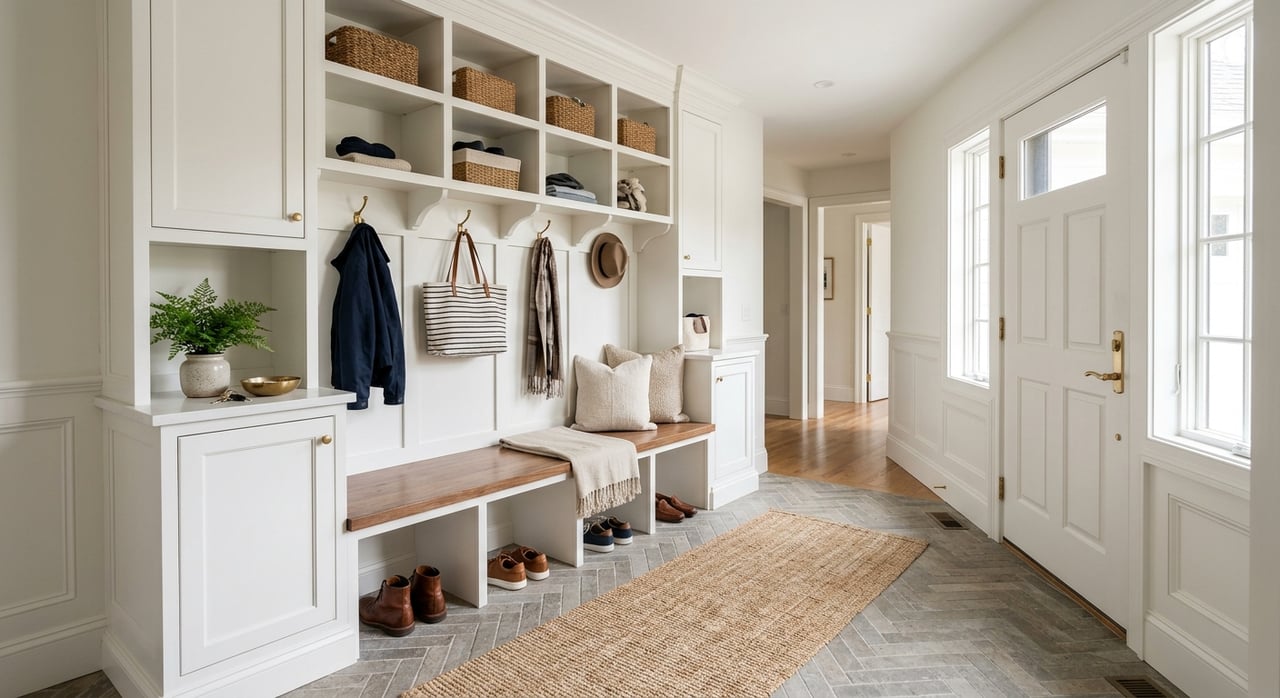
- Clean, declutter, and neutral repaint
- Aim to remove 50 to 70 percent of visible personal items and pack them for your move. Light, neutral paint helps rooms feel larger and cleaner in photos.
- Professional photos and a floor plan
- Most buyers start online, which means your photos and media carry real weight. Shoot on day one of your listing to capture your peak condition.
- Staging, occupied or vacant
- Staging makes it easier for buyers to visualize the space, which can shorten time on market and sometimes improve offer strength. The National Association of Realtors has found that staging reduced time on market for many listings and produced modest value gains for a portion of staged homes. Keep expectations realistic and budget based on scope. NAR’s staging findings
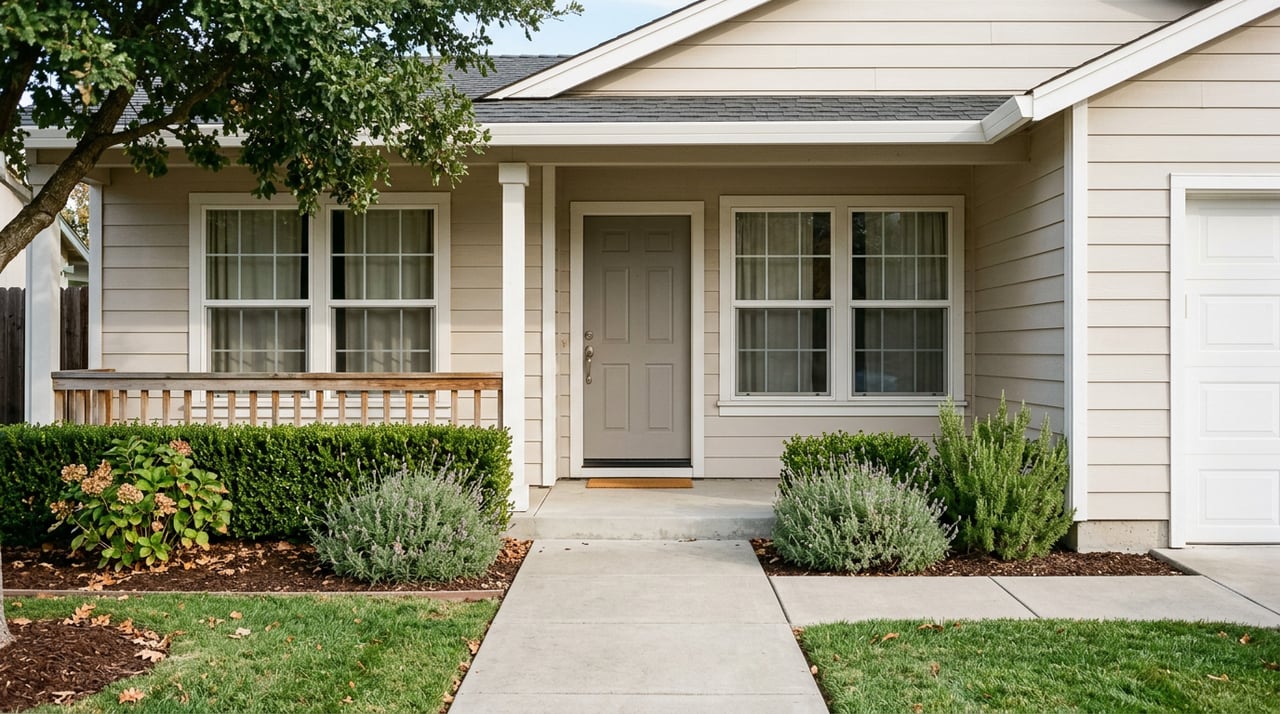
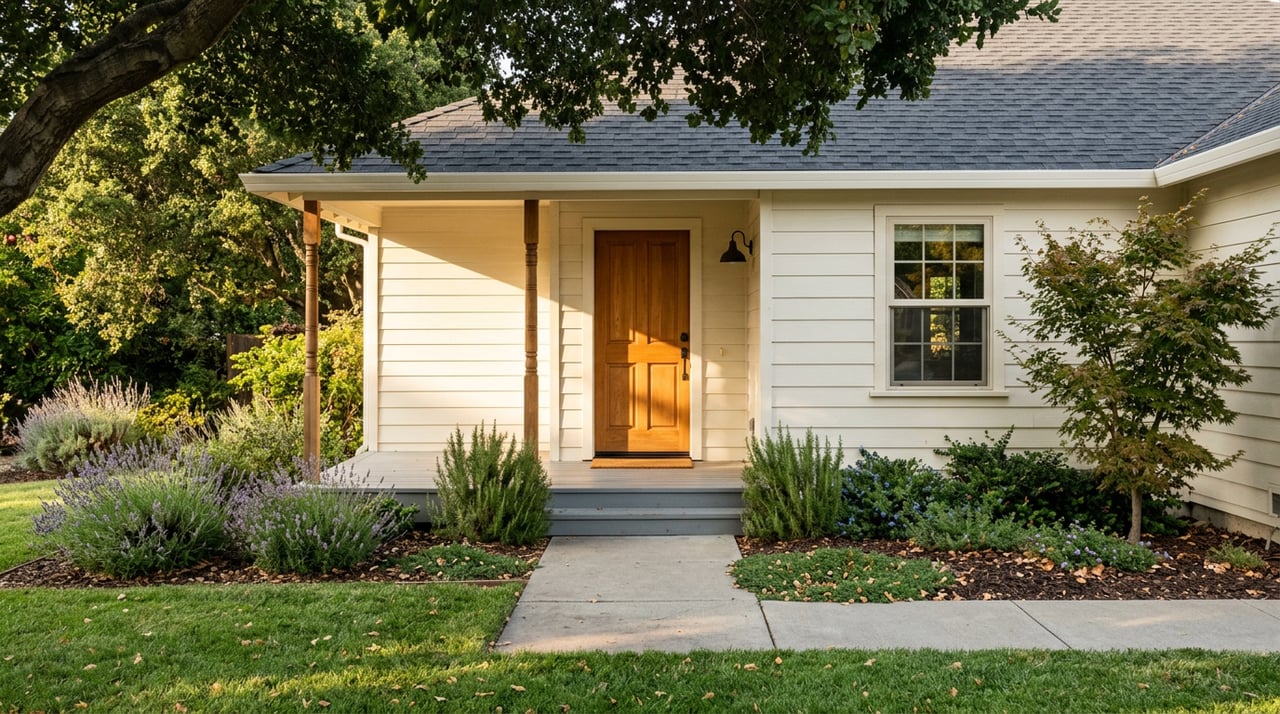
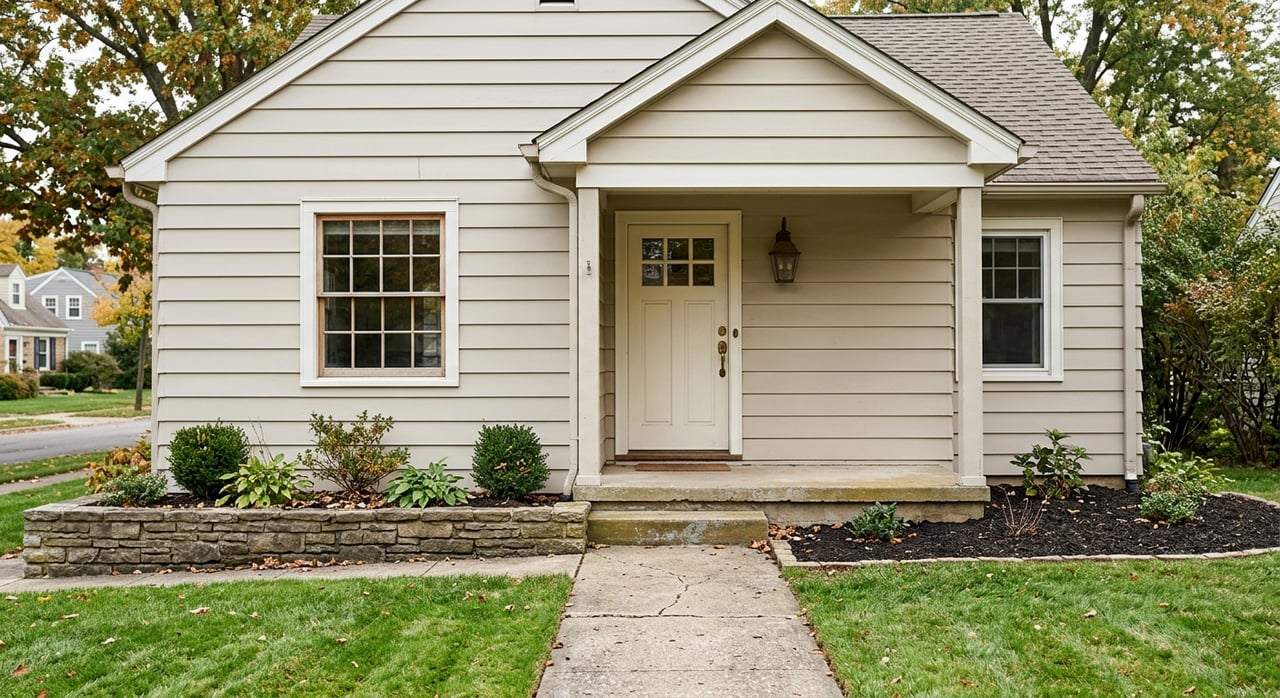
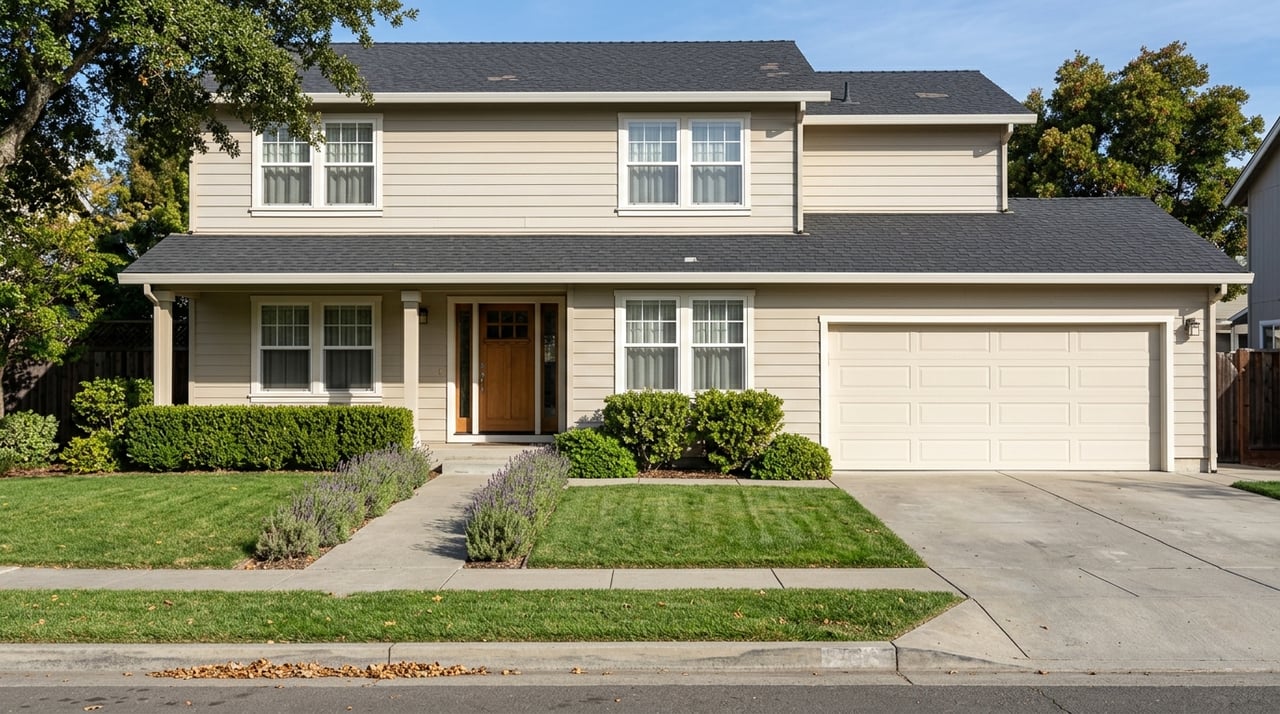
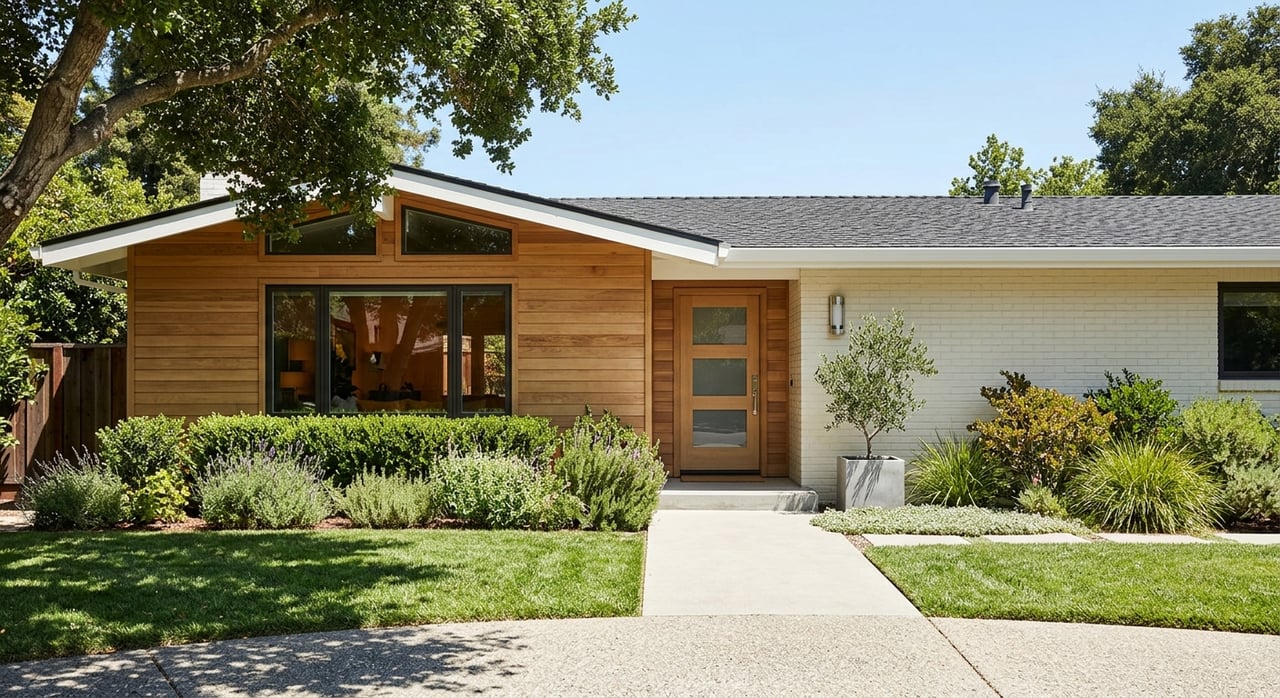
- Curb appeal and entry refresh
- Fresh mulch, trimmed hedges, power washing, new house numbers or mailbox, and a painted front door deliver strong first impressions. Cost vs. Value reporting consistently places small exterior projects among the most impactful. 2025 Cost vs. Value overview
- Targeted repairs and pre-list inspections
- A pre-list inspection can surface minor issues you can fix on your schedule, which reduces post-offer renegotiations and speeds closing. If you choose not to repair, provide clear disclosure and estimates. Why consider a pre-sale inspection
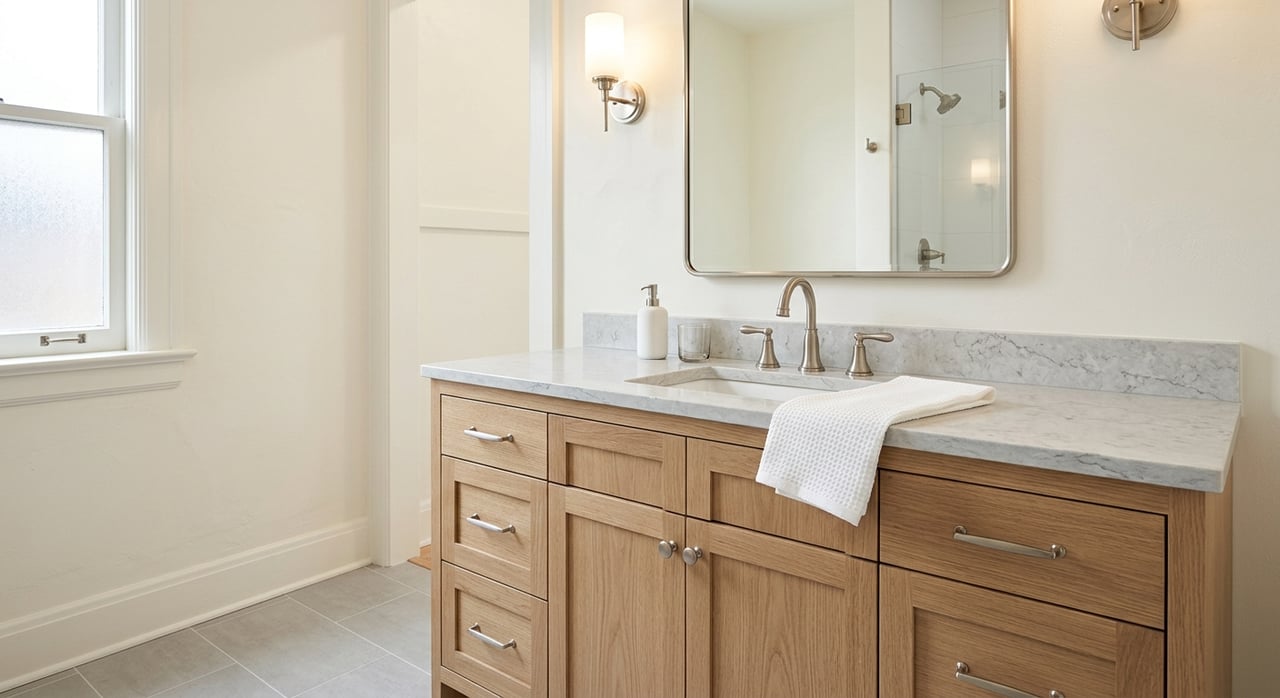
- Minor kitchen and bath touchups
- New faucets, lighting, cabinet hardware, fresh caulk or grout, and paint often photograph much better than their cost suggests. Major remodels take time, so weigh them against your timeline and the likely return based on your CMA. Project prioritization trends
Pro tip: do not promise a specific dollar return on any improvement. Focus on buyer confidence and photo impact.
Your 6-week prep plan
Use this simple timeline, then tailor it to your home and schedule.
- Weeks 6 to 4 before listing
- Interview agents, request an MLS-based CMA, and discuss price bands.
- Order preliminary title, gather permits and warranties, and consider a pre-list inspection.
- Weeks 4 to 2
- Complete agreed repairs, declutter, and deep clean.
- Schedule a staging consult and set photo and floor plan appointments.
- If you have an HOA, order the resale packet now to avoid delays.
- Week 1
- Install staging, complete landscaping touchups, and final clean.
- Approve listing copy and media. Upload to the MLS and monitor early metrics daily.
Estimated budget ranges to plan for
- Professional photography and basic floor plan or 3D tour: about a few hundred dollars to low four figures, depending on package.
- Staging, partial or occupied: a few hundred dollars to several thousand for initial setup, with monthly rentals for vacant homes.
- Minor cosmetic work like paint, landscaping, and small repairs: low thousands to mid-range, based on scope.
- Major projects: tens of thousands, so be selective and let the CMA guide you. Cost vs. Value guidance
Disclosures, permits, and closing details in California
California requires frank, thorough disclosures. These are not optional.
- Transfer Disclosure Statement and Natural Hazard Disclosure are standard. Sellers must disclose known defects and hazard zones. Homes built before 1978 require federal lead-based paint disclosure. Review the basics before you list. California seller requirements
- New for 2026: AB 455. Sellers must disclose known tobacco or nicotine residue, or a history of smoking or vaping on the property, whenever a TDS is required. Ask your agent how to handle this clearly. AB 455, Civil Code §1102.6k
- Title and taxes. Contra Costa County collects a documentary transfer tax that is commonly reported as $1.10 per $1,000 of sale price. Confirm your exact estimate with escrow and ask about any city adders. County transfer tax context
- FinCEN reporting. Starting March 1, 2026, settlement agents must file reports for certain non-financed residential transfers to entities or trusts. Expect extra documentation requests if your buyer is a company or trust. FinCEN rule overview
- HOA documents. If your home is in an HOA, order the resale packet early. These can take time and delay closing if ordered late.
- Yard sign and open house rules. Moraga has specific rules for on-site signs and off-site open house directionals, including placement and removal timing. Follow local guidance to avoid fines or removed signs.
Launch day and first-week momentum
Your first week on market is your most valuable window. Aim to launch with clean curb appeal, finished staging, and fresh media. Price within the CMA range to maximize showings and online engagement. Track daily metrics in the first 72 hours, then again by day 7 to 10. If activity is below expectations, discuss a quick adjustment rather than waiting weeks. Data-backed launch tips
Common pitfalls to avoid
- Overpricing, then chasing the market with cuts that reduce leverage.
- Skipping disclosures or trying to hide defects. California law requires full, honest disclosure.
- Not gathering permit history. Buyers and appraisers notice unpermitted work, which can cause delays or price changes.
- Waiting on media or staging. Rushed photos and cluttered rooms reduce clicks and showings.
- Over-improving right before listing. Big remodels may not pay off if you cannot finish well ahead of launch.
Why work with a local, boutique team
You deserve a plan that fits your home and your block, not a generic script. Our team pairs an MLS-based pricing strategy with thoughtful prep, staging guidance, and strong marketing execution across Lamorinda and nearby East Bay neighborhoods. We bring neighborhood-level insight, a dependable vendor network, and clear communication from list to close.
Ready to see your best price and plan? Connect with Jeff Snell for a free MLS-based valuation and a prioritized prep checklist for your Moraga home.
FAQs
How are Moraga home prices trending in 2026?
- Local MLS-based reporting shows Moraga’s 2025 single-family average near $1.95M with about 98 closings and an average 34 days on market, and month-to-month swings are common due to the small sample. Local year-in-review
What is the best way to set my list price in Moraga?
- Use an MLS-based CMA that focuses on 3 to 6 recent nearby sales, adds active and pending listings for context, and adjusts for differences like size, lot, views, and updates. How a CMA works
Which prep projects usually matter most to buyers?
- Cleaning, decluttering, staging, curb appeal, targeted repairs, quality photos, and minor kitchen or bath updates are commonly high-impact for a modest cost. Staging data | Cost vs. Value
What seller disclosures are required in California?
- Expect the Transfer Disclosure Statement, Natural Hazard Disclosure, and the federal lead-based paint form for pre-1978 homes, plus the new 2026 thirdhand smoke disclosure under AB 455. California requirements | AB 455 text
How long does it take to prepare a Moraga home for market?
- Most sellers need 2 to 8 weeks depending on repairs, staging, and scheduling. A simple 6-week plan covers CMA, repairs, decluttering, staging, and media, with launch by week one.
What closing costs should Moraga sellers expect?
- Costs vary, but plan for commissions, escrow and title fees, county documentary transfer tax commonly reported as $1.10 per $1,000 of price, plus any HOA fees and staging or prep costs. Confirm your exact numbers with escrow. County tax context