Thinking about adding an accessory dwelling unit to your Concord property but not sure where to start? Permits, timelines, and budgets can feel like a maze. The good news is you can move forward with clarity if you understand the basics and plan ahead. In this guide, you’ll learn the main ADU types, Concord’s approval path, realistic timelines, cost ranges, and where to get reliable, up-to-date answers. Let’s dive in.
ADU types and state rules
Four ADU options
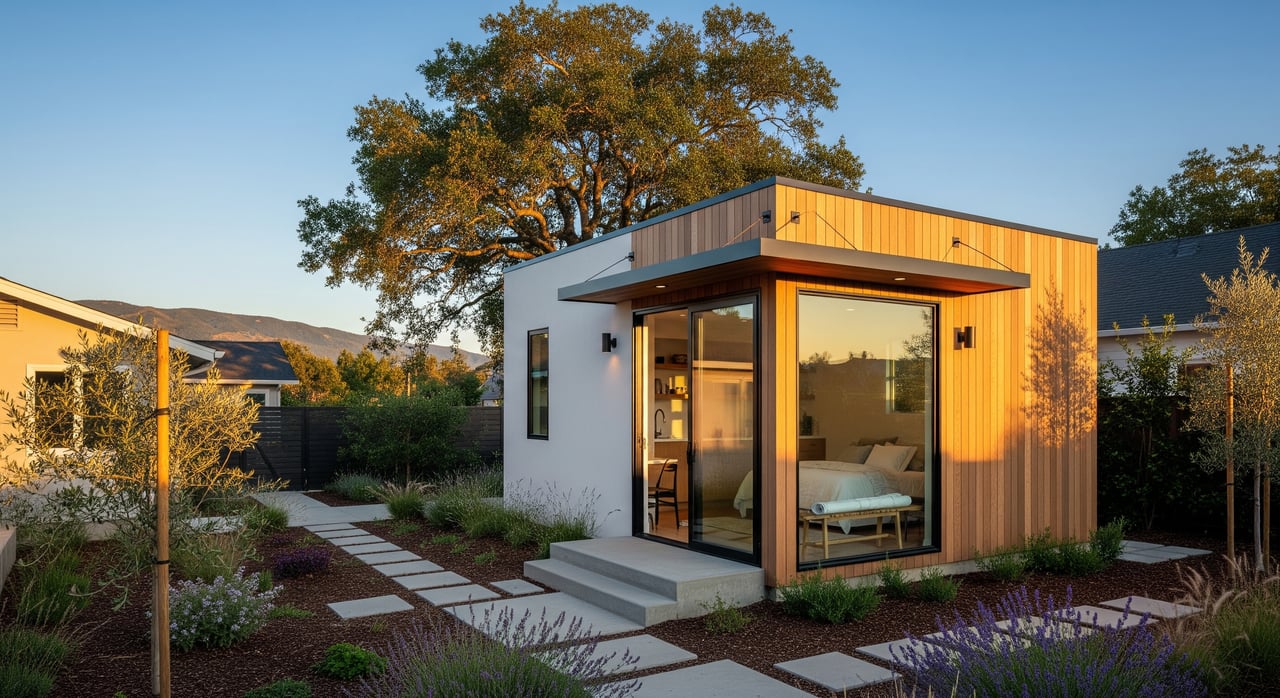
- Detached ADU. A new, separate structure on the same lot as your primary home.
- Attached ADU. An addition to the main home, with its own entrance.
- Conversion ADU. A unit created within existing permitted space, such as a garage, attic, basement, or accessory structure.
- Junior ADU (JADU). A smaller unit within the existing home, typically up to 500 square feet by state law. JADUs often include specific owner-occupancy and deed restriction details, so confirm current rules before you begin.
State rules that shape Concord
California law requires cities to allow ADUs and JADUs in most residential areas. It also limits discretionary review when your plans meet objective standards. That means many ADUs can be approved without public hearings if you follow the rules.
Key state-driven points to keep in mind:
- Ministerial review. If your ADU meets objective standards, the city processes it ministerially without a public hearing.
- Size and number. State law sets guardrails for unit size and the number of ADUs allowed. Local standards still apply, so confirm exact numbers with Concord.
- Parking. State law limits when cities can require new parking spaces. Some ADUs are exempt from new parking, such as many interior conversions or units in certain transit areas.
- Fees. State law restricts certain impact and utility fees for smaller ADUs.
For plain-English summaries, see the California Department of Housing and Community Development’s ADU guidance on the HCD website. If you want to read statutory language, visit the state’s legislative information portal.
Concord permitting path
If your ADU follows Concord’s objective standards, your application will typically move through a ministerial process. You avoid public hearings and focus on plan quality and code compliance.
Step-by-step approvals
- Preliminary check. Confirm your zoning allows an ADU and note key limits such as maximum size, setbacks, lot coverage, and any special overlays like hillside or floodplain.
- Pre-application planning check. An optional but useful review with Planning to confirm objective standards and head off surprises.
- Building permit application. Submit complete plans to the Building Division. Include architectural drawings, structural details, energy compliance, and mechanical, electrical, and plumbing plans.
- Plan review and corrections. Planning, Building, Public Works, and Fire will review your submittal. Expect comments and at least one round of corrections.
- Permit issuance and construction. Once plans are approved and fees are paid, construction can begin.
- Inspections and final. City inspectors verify work during construction and complete a final inspection before occupancy.
Who reviews your plans
Your application may involve several departments:
- Planning Division for zoning and design standards.
- Building Division for building code, structural, and energy compliance.
- Public Works for grading, drainage, stormwater, and sewer issues.
- Fire Department for access and life safety requirements.
Standards to confirm early
Concord’s exact numbers live in its municipal code and handouts, so verify the details before you draw plans. Start with the City of Concord website and search for “Accessory Dwelling Unit” or “ADU” to find objective standards and submittal checklists. Typical topics to confirm include:
- Maximum ADU size and height
- Setbacks, lot coverage, and floor area limits
- How many units are allowed on your lot
- When parking is required or exempt
- Utility connection expectations and potential fees
- Fire and life-safety requirements such as separation and addressing
Timeline and common delays
Typical timeline overview
While every project is unique, these ranges are common for Bay Area ADUs:
- Site analysis and concept. 1 to 3 weeks
- Design and permit-ready plans. 2 to 12+ weeks, depending on complexity
- Planning review of a compliant ADU. Often 2 to 8 weeks
- Building plan review. 4 to 12+ weeks, with extra time for correction cycles
- Construction. About 2 to 9 months. Conversions and small attached units are usually on the short end. Detached new builds tend to take longer.
- Final inspections and occupancy. Usually within a few weeks of completion
Many cities target ministerial ADU decisions within roughly 60 days when submittals are complete. For state-level context on ADU processing, visit the HCD website.
Overall, plan on about 3 to 12 months from first concept to move-in for simple conversions or small attached units. Detached new builds often take 6 to 18+ months based on design, site conditions, contractor availability, and permit backlog.
What slows projects
- Incomplete plans or missing documents at submittal
- Plan-review backlogs at the city
- Discretionary approvals for variances or special conditions
- Utility or sewer capacity constraints
- Site challenges that trigger geotechnical, grading, or fire-access standards
- Contractor and material lead times
How to move faster
- Submit complete, code-compliant plans that follow Concord’s objective standards
- Schedule a pre-application meeting with Planning and Building
- Hire designers and contractors experienced with Concord and local utilities
- Confirm utility requirements in writing and budget for connection work
Costs and fees to plan for
Budget categories
Create a line-item budget so you can track spending and avoid surprises:
- Design and engineering. Architect, designer, and engineer fees
- Planning and building fees. City application, plan check, and permit fees
- Impact and utility fees. Water, sewer, and other capacity charges
- Construction. Labor, materials, contractor markup, and contingencies
- Site and utility work. Trenching, laterals, meters, service upgrades, and foundations
- Exterior improvements. Driveways, paving, fencing, and landscaping
- Soft costs. Financing, inspections, testing, and any required mitigation
Typical construction ranges in Contra Costa
These broad ranges reflect recent regional projects. Your costs will vary by design, finishes, site conditions, and market pricing.
- Garage or interior conversion. About $60,000 to $200,000
- Attached ADU or small addition. About $150,000 to $350,000
- Detached ADU (new 400 to 1,200 sq ft). About $200,000 to $600,000+
- JADU (up to 500 sq ft). Often tens of thousands of dollars if it is a straightforward interior remodel
Prices have been volatile in recent years. Always get at least two local contractor bids and ask for recent ADU references in Concord.
Permit and utility fees
Permit and utility costs depend on valuation, square footage, and provider policies. Expect:
- Building permit and plan review fees. A few thousand dollars for smaller projects and more for larger builds
- Planning, Public Works, and Fire fees. Additional administrative and review fees
- Utility connection fees. Water and sewer capacity fees can be significant, especially for larger detached units
State law limits certain fees for smaller ADUs, but local schedules still apply. For current forms and fee schedules, start on the City of Concord website and contact the Planning and Building counters.
Plan for taxes and insurance
Adding an ADU typically increases your assessed value. For property tax questions, visit the Contra Costa County website and review guidance from the Assessor’s Office. Check your insurance coverage as you plan, especially if you will rent the unit.
Local resources and next steps
When you need a definitive answer on a rule or fee, go straight to official sources. Start on the City of Concord website. For statewide context and updates, use the HCD website. If you want to read the statutes themselves, search Government Code sections on the state’s legislative information portal. County-level services and contacts are on the Contra Costa County website.
Here is a practical checklist to keep your project on track:
- Confirm zoning and feasibility. Verify ADU allowances, maximum size, setbacks, and any overlays for your parcel.
- Schedule a Planning pre-application. Bring a simple site plan and photos for early feedback.
- Choose your ADU type. Conversions and JADUs are often faster and less expensive.
- Get estimates. Ask designers and contractors about Concord experience and request local ADU references.
- Prepare complete plans. Follow objective standards and include energy, structural, and utility details.
- Check utility requirements. Confirm water and sewer fees and meter policies in writing.
- Plan for review cycles. Build time for corrections and inspections into your schedule.
- If you are buying with ADU plans. Ask the City to confirm zoning and review any existing permits or records before you commit.
Work with a local advisor
An ADU adds flexibility and value, but success comes from clear planning and local know-how. If you are weighing options in Concord or nearby East Bay neighborhoods, our family team is happy to share local insights, vetted vendors, and a step-by-step plan tailored to your property. Ready to talk through your ADU potential or property goals? Reach out to Jeff Snell for a friendly consultation.
FAQs
Can I use a Concord ADU for short-term rentals?
- Short-term rental rules vary by city and can change. Review Concord’s current short-term rental policies on the City of Concord website before listing.
Do I have to live on the property if I add an ADU in Concord?
- State law has reduced owner-occupancy rules for many ADUs, while JADUs often include owner-occupancy and deed restriction requirements; confirm current local standards with Concord.
Will my property taxes go up after building an ADU in Contra Costa County?
Can I convert my garage into an ADU in Concord?
- Garage conversions are commonly allowed under state law, but you must meet building, life-safety, and parking standards; check Concord’s objective standards on the City of Concord website.
What parking is required for an ADU in Concord?
- State law limits when cities can require new parking, and some ADUs are exempt; verify Concord’s current parking standards and any transit-related exemptions on the City of Concord website.