Relocating to Orinda: Your Practical Neighborhood Guide
Thinking about relocating to Orinda but not sure where to start? You’re not alone. From commute options to hillside homes and school logistics, there’s a lot to figure out before you buy. This guide gives you a clear, practical orientation to Orinda so you can make a confident move and settle in smoothly. Let’s dive in.
Orinda sits on the west side of Contra Costa County along State Route 24, just over the Caldecott Tunnel from Oakland and north of Lafayette and Walnut Creek. It is part of the Lamorinda trio with Lafayette and Moraga. You’ll find oak‑studded hills, low‑density neighborhoods, and a small, charming downtown near the BART station.
The city has roughly 18 to 20 thousand residents, based on 2020 Census patterns. Many people who choose Orinda are professionals who commute to Oakland, San Francisco, or Walnut Creek, along with long‑time homeowners and families with school‑age children.
City services include local police and regional fire protection, with a property tax framework that follows California norms. Expect a base rate around 1 percent of assessed value, plus local assessments or parcel taxes. Confirm exact numbers with Contra Costa County before you buy.
Orinda’s feel changes by pocket, largely shaped by hills, canyons, and proximity to downtown.
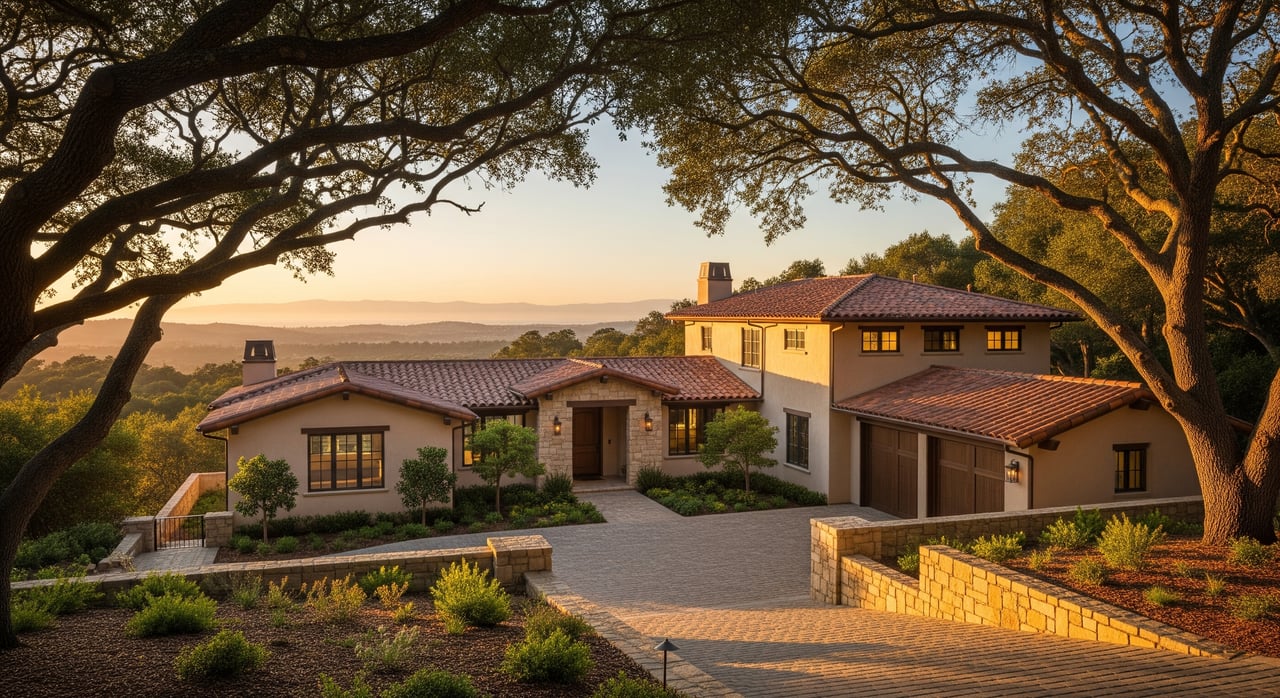
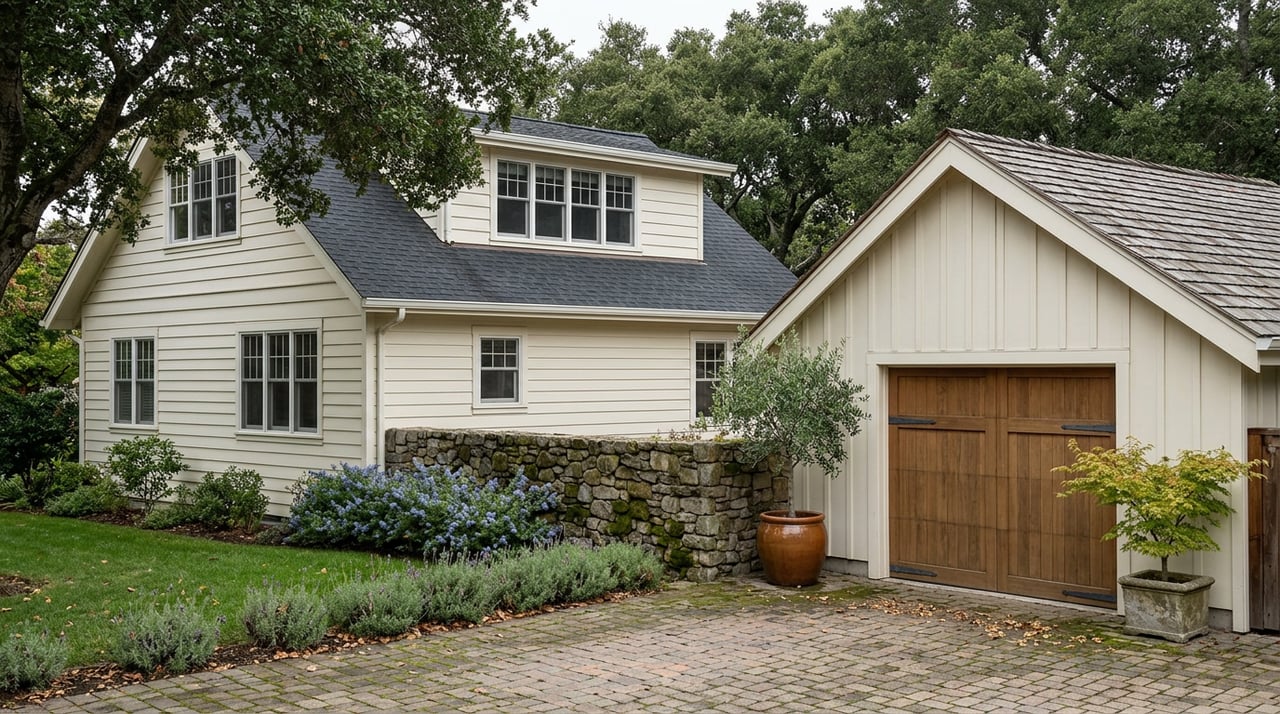
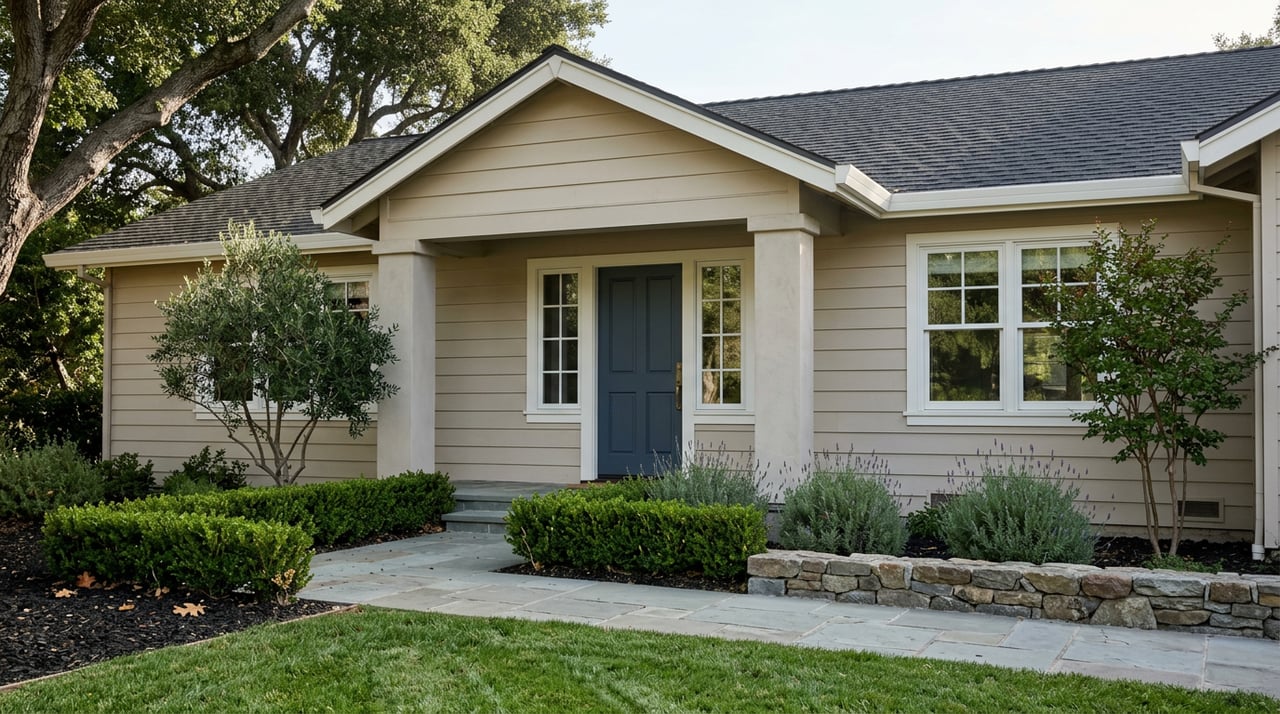
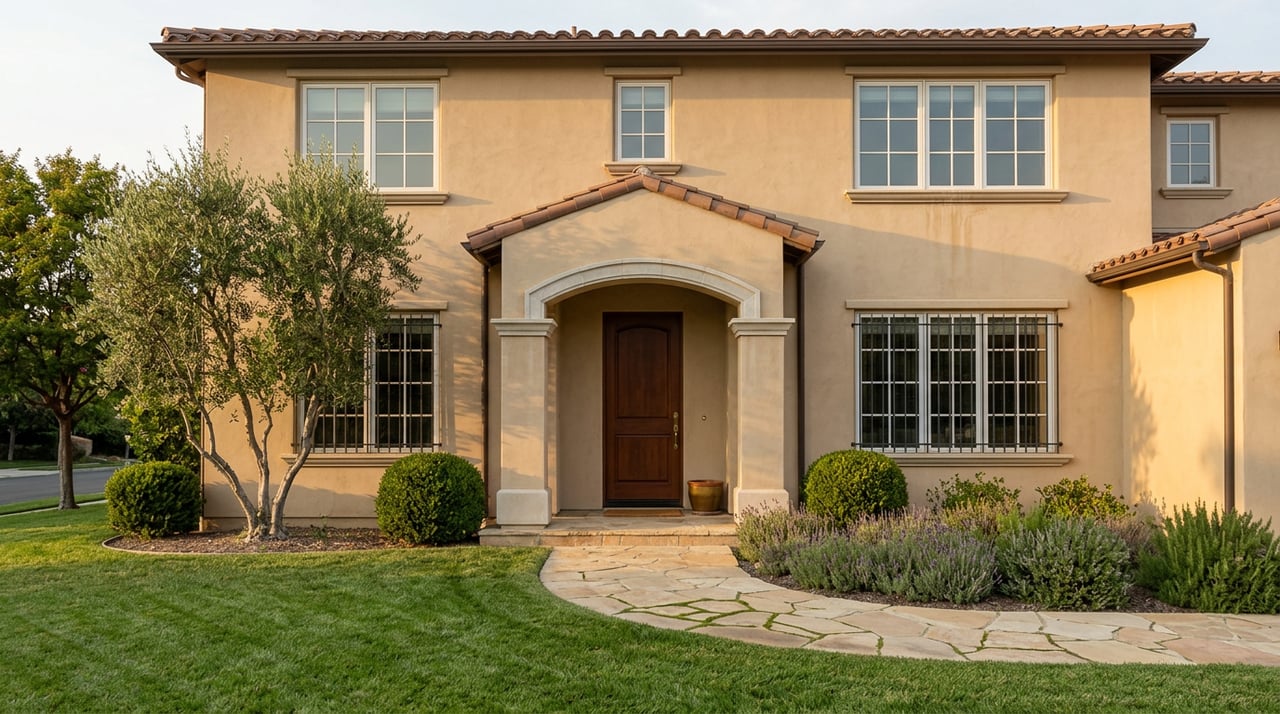
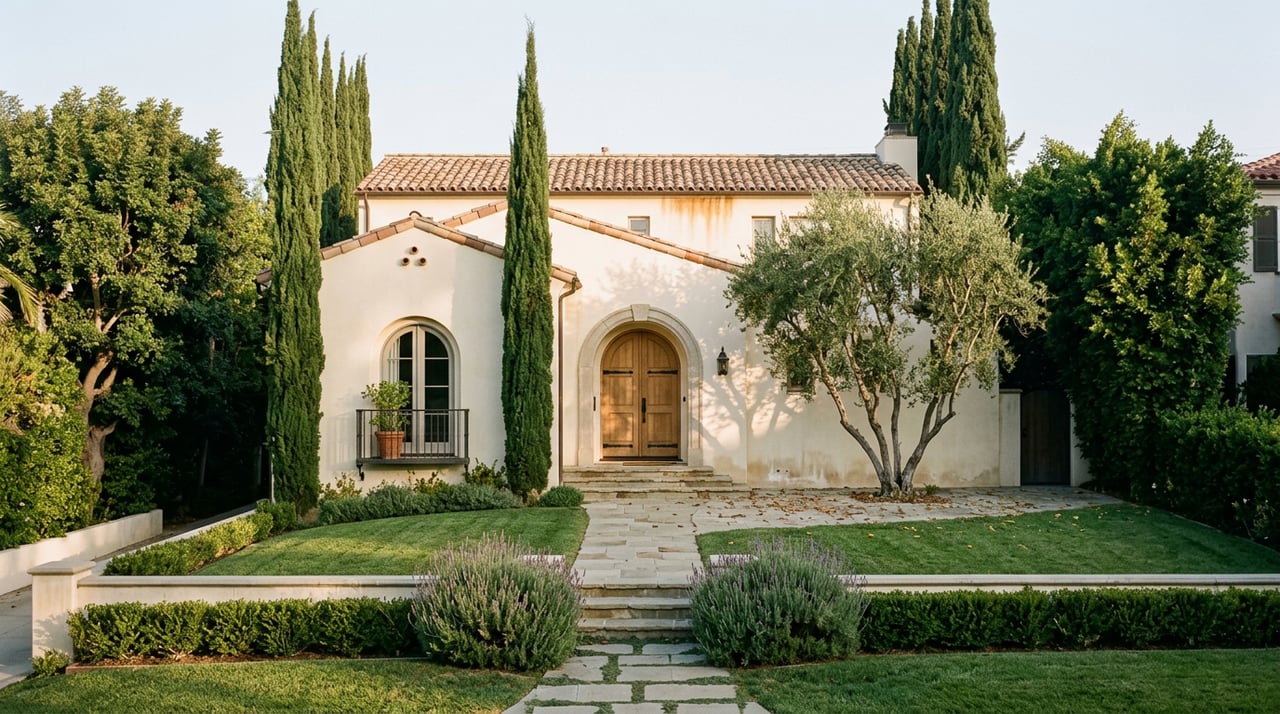
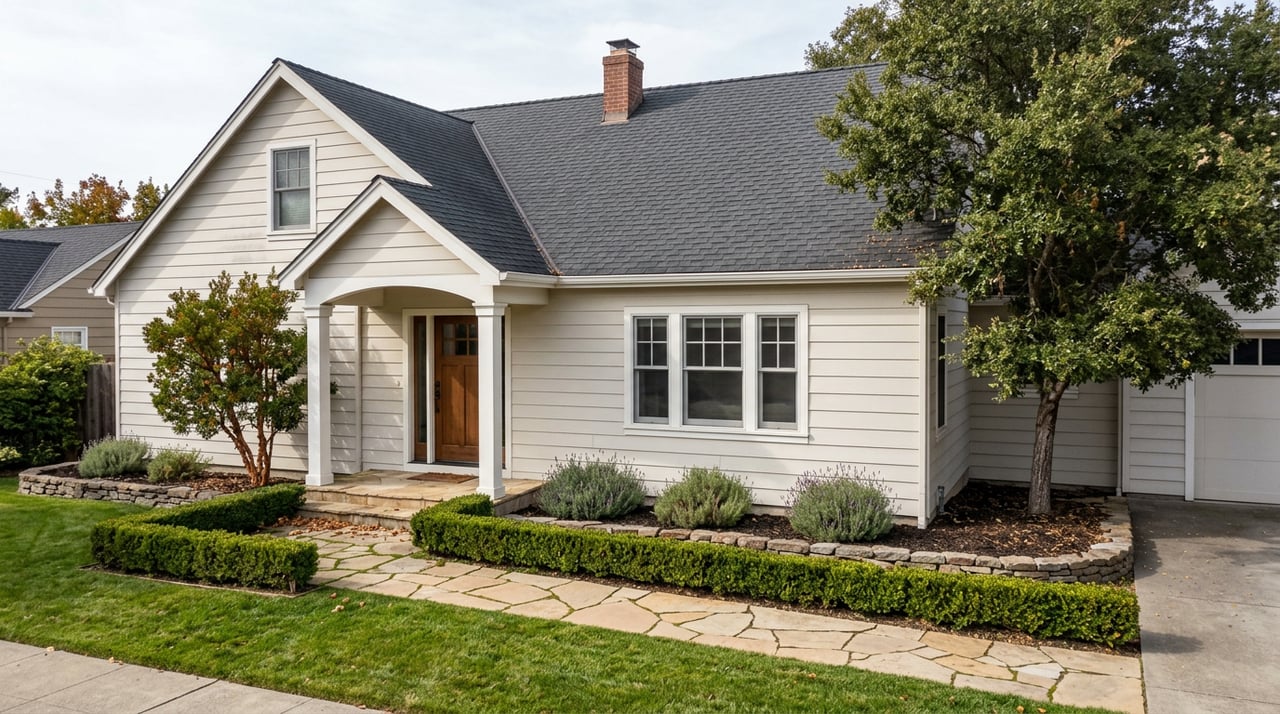
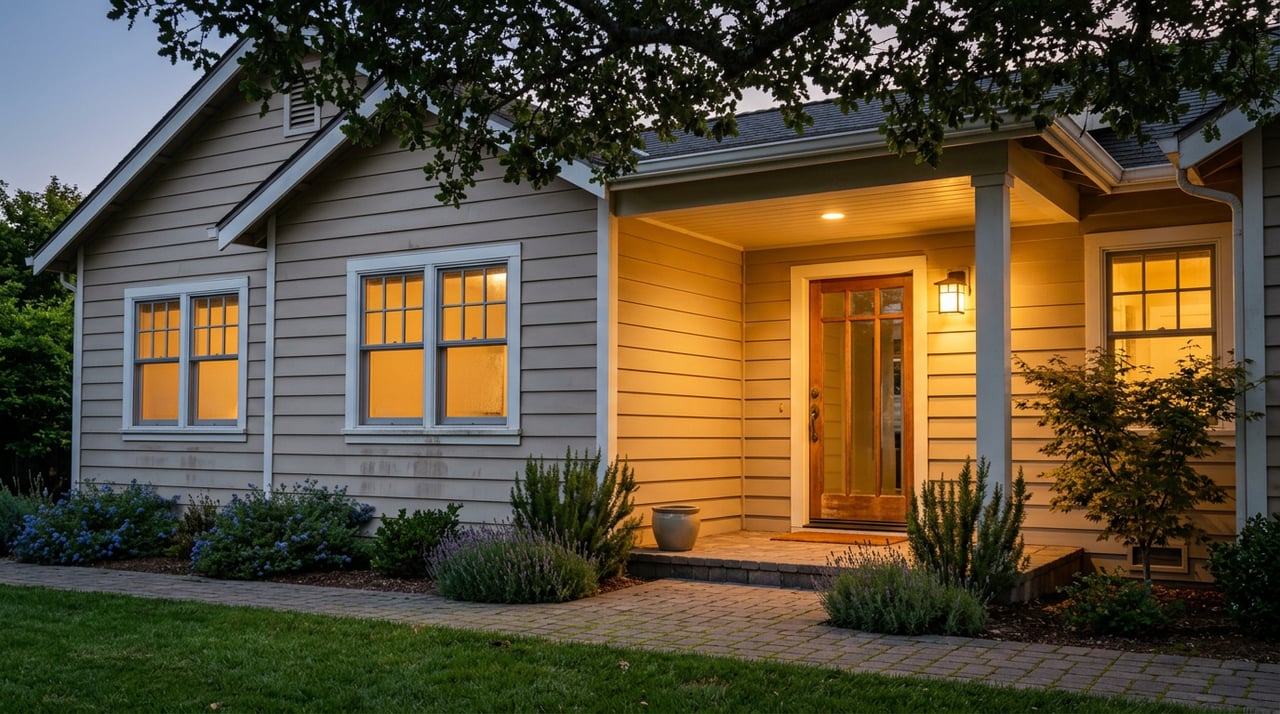
You’ll see mid‑century ranches, traditional California styles, and modern renovations across hillside parcels with mature oaks. Many properties have unique layouts shaped by the terrain, so touring in person helps you understand light, access, and outdoor spaces.
Orinda is a high‑price market relative to much of the East Bay, with limited inventory and strong owner occupancy. Current figures for median sale price, days on market, and price per square foot change month to month, so review a live snapshot before making offers. If you consider condos or townhomes, add HOA dues and parking details to your budget.
For ownership costs, plan for property taxes under California’s Prop 13 framework, plus local assessments. Homes on slopes may require additional maintenance and insurance considerations, such as vegetation management, drainage, and retaining structures.
State Route 24 connects Orinda directly to Oakland and San Francisco to the west and to Walnut Creek and I‑680 to the east. Rush‑hour congestion occurs in both directions. Test your typical route during your target commute hours.
Orinda BART, on the Richmond–Millbrae/SFO line, is a popular way to reach downtown Oakland or San Francisco. Ride times vary by schedule and destination, and fares change over time, so check the BART trip planner before you rely on a specific timing. Parking at the station can fill early on weekdays. Many commuters use drop‑offs, rideshare, or walk from nearby neighborhoods.
Reaching the Peninsula or Silicon Valley often requires a multimodal approach, such as BART plus Caltrain, or a drive that varies widely by time of day. For local movement, AC Transit routes, school transportation, and rideshare help with first and last miles. Biking is possible but hills and SR‑24 approaches can be a barrier for casual riders.
If you love the outdoors, Orinda’s trail access is a major plus. The East Bay Regional Park District offers extensive routes for hiking, trail running, and horseback riding. Briones Regional Park is a frequent go‑to, and nearby preserves in the Oakland Hills, such as Sibley Volcanic Regional Preserve, expand your options. Lime Ridge in Walnut Creek is also a short drive away.
Expect hilly terrain with trails that range from family‑friendly paths to steep ridge runs. Some trailheads sit on narrow neighborhood roads with limited parking. Plan earlier starts on weekends. During fire season, check advisories, restrictions, or closures before heading out.
Weekend rhythms often include family hikes and dog walking. Many buyers cite quick access to open space as a core reason they choose Orinda.
Public schools are served by Orinda Union School District for elementary and middle grades and Acalanes Union High School District for high school. Miramonte High School is located in Orinda. For details on programs, boundaries, and enrollment, review the district websites.
Downtown Orinda offers cafés, restaurants, a movie theater, and everyday services. For larger retail and grocery options, many residents drive to Lafayette or Walnut Creek. Community life includes local theater, school performances, and neighborhood associations that coordinate events and communications.
For healthcare, full‑service hospitals and specialty care are nearby in Walnut Creek, including John Muir Health facilities, along with local clinics and primary care in surrounding cities. Orinda is generally a low‑crime suburban community relative to regional averages, though wildfire risk and severe weather are community priorities. Newcomers should review county fire maps, evacuation zones, and city alerts.
A short visit can clarify how Orinda fits your daily life. Consider a hotel base in Lafayette or Walnut Creek or a short‑term rental near downtown Orinda.
Suggested activities:
You deserve a clear, calm process guided by people who know these hills, schools, and streets. Our family team pairs hyper‑local insight with a structured plan for home tours, market data, and negotiations. We help you:
When you are ready to explore Orinda, reach out for a neighborhood tour or a pricing and timing consult. Let’s make your move smooth and intentional with a plan that fits your life.
Ready to get started? Connect with Jeff Snell for local guidance and a tailored relocation plan.
We pride ourselves on informing and educating our clients in order to make better real estate decisions. Contact us today to find out how we can be of assistance to you!
Get in Touch With Our Team to Learn More

Jeff Snell & Lynda Snell
93 Moraga Way Ste 103 Orinda CA 94563 Jeff Snell | CA DRE# 01333422