
Living in Alamo, CA: Key Pros and Cons to Know
Thinking about moving to Alamo but not sure if it fits your day-to-day life? You are not alone. Many Bay Area buyers love Alamo’s space, privacy, and access to the foothills, while also weighing car-dependent commutes and a quieter retail scene. In this guide, you’ll get a clear, practical look at the real pros and cons of living in Alamo so you can decide with confidence. Let’s dive in.
Alamo is an unincorporated community in Contra Costa County, set between Walnut Creek and Danville in the East Bay. It blends semi-rural charm with an upscale, low-density residential feel. You will find a small village center, quiet streets, and quick access to open space. Because it is unincorporated, planning, permits, and many services run through Contra Costa County rather than a city government.
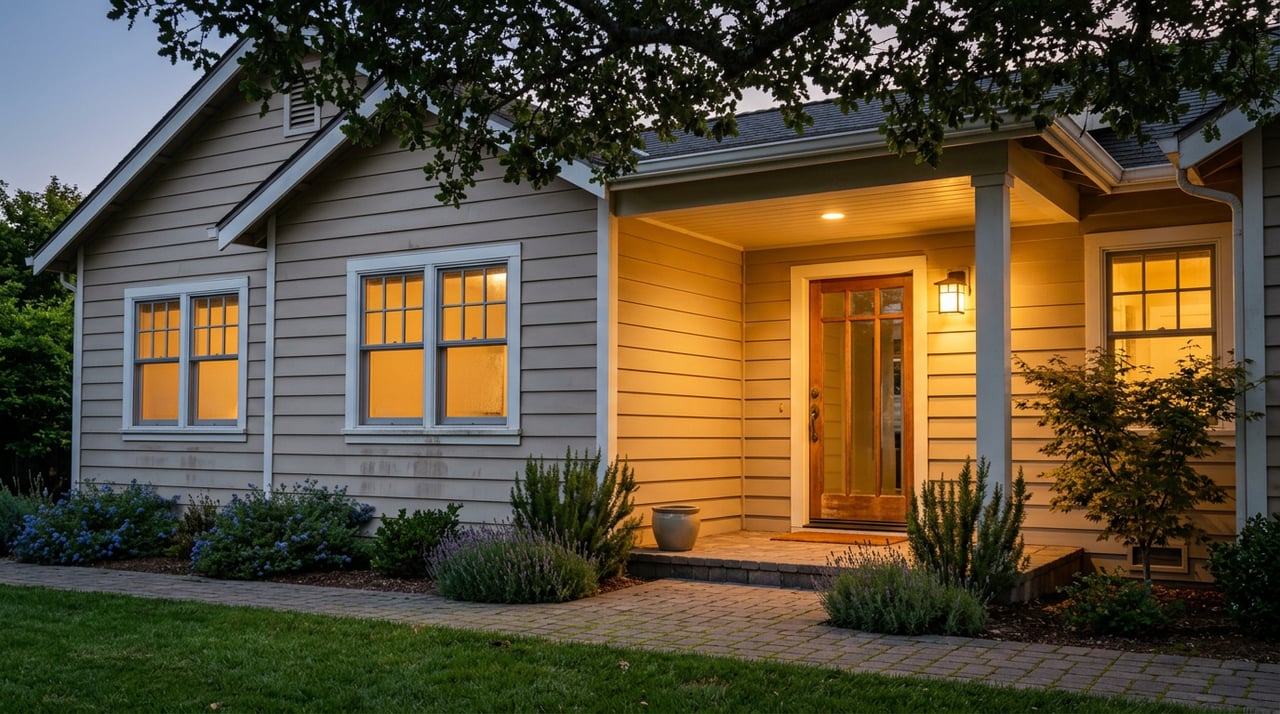
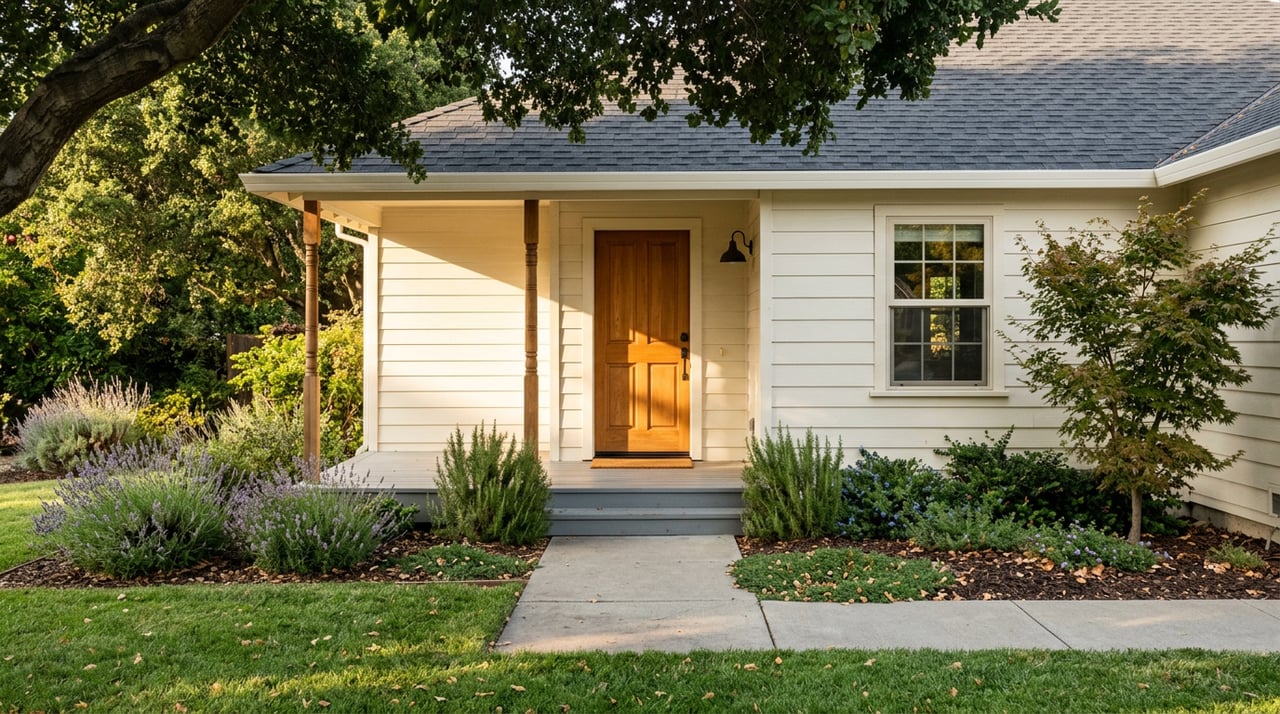
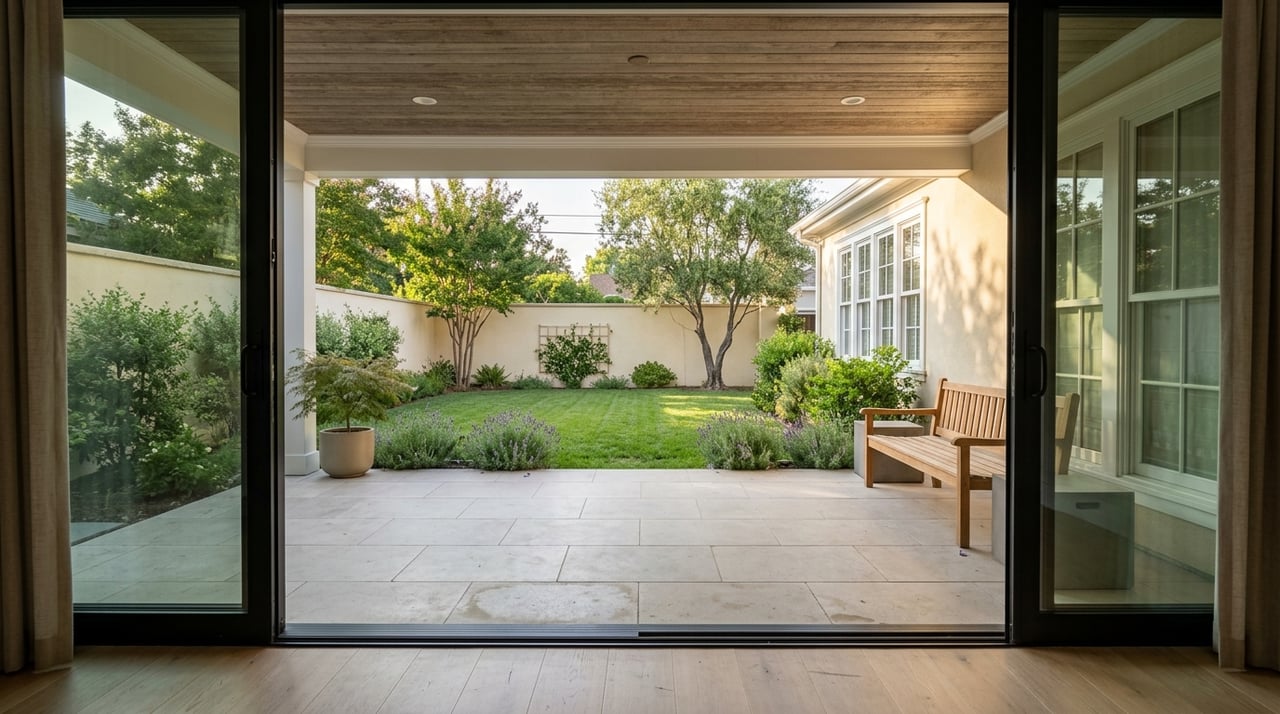
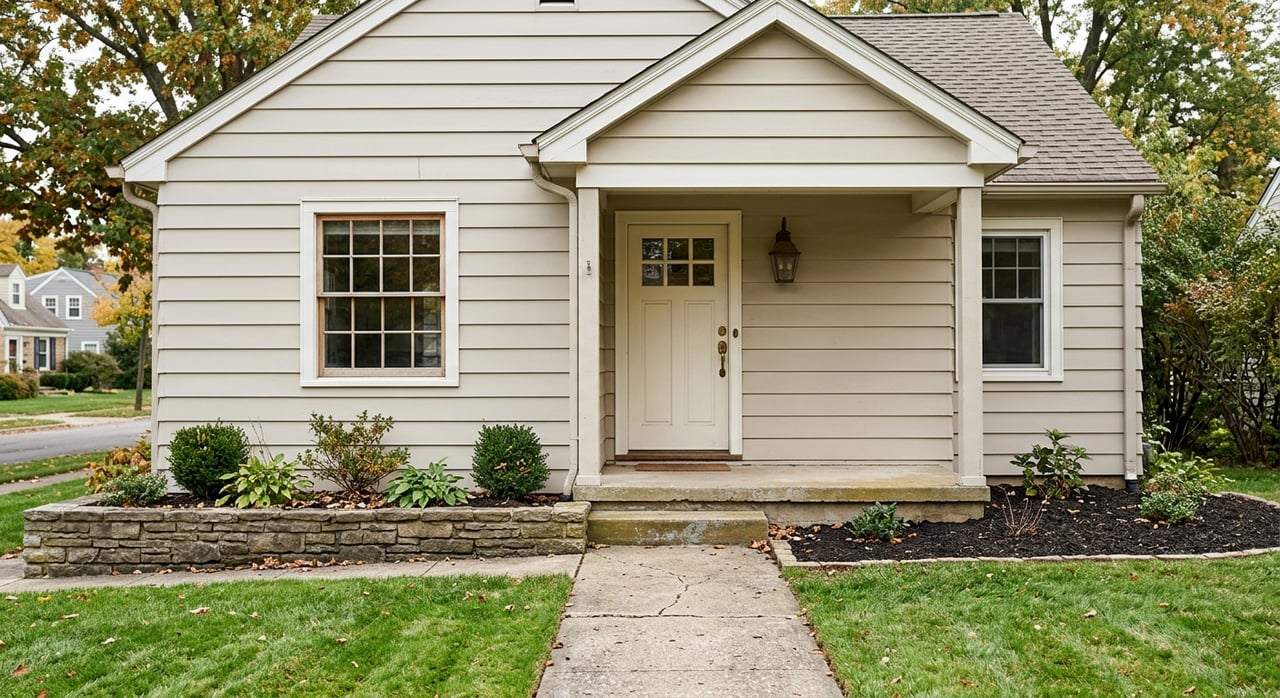
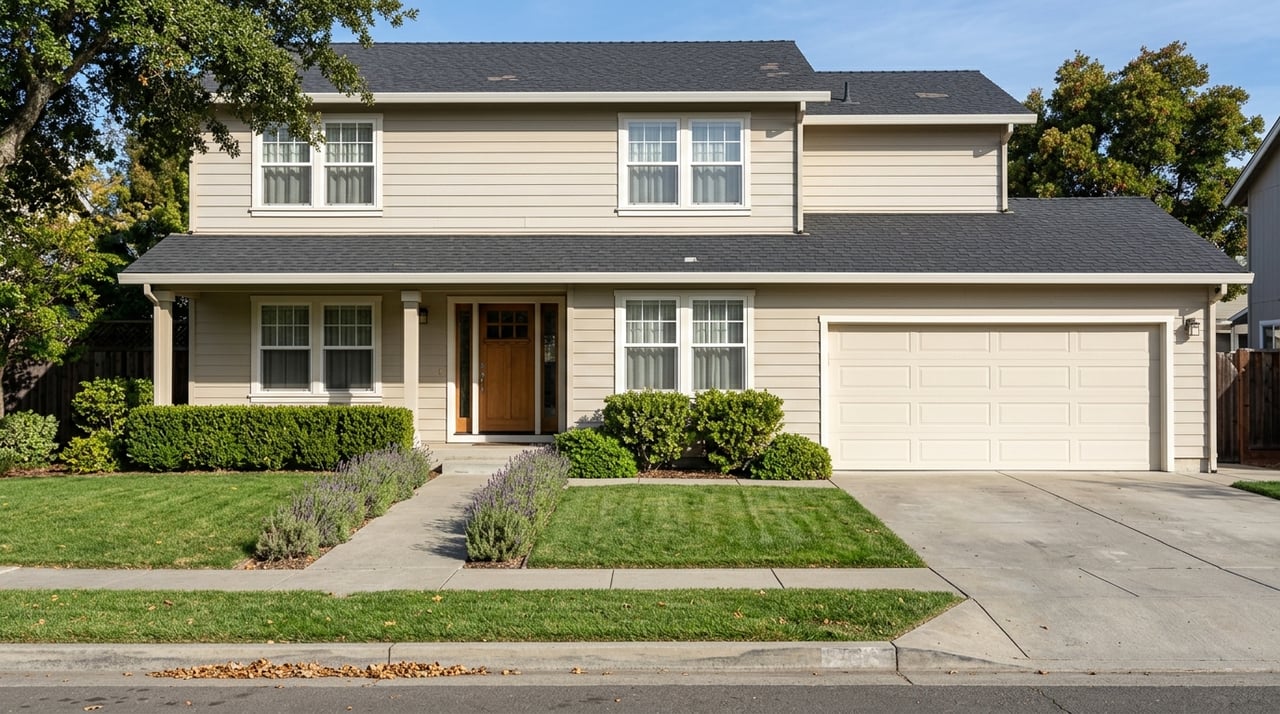
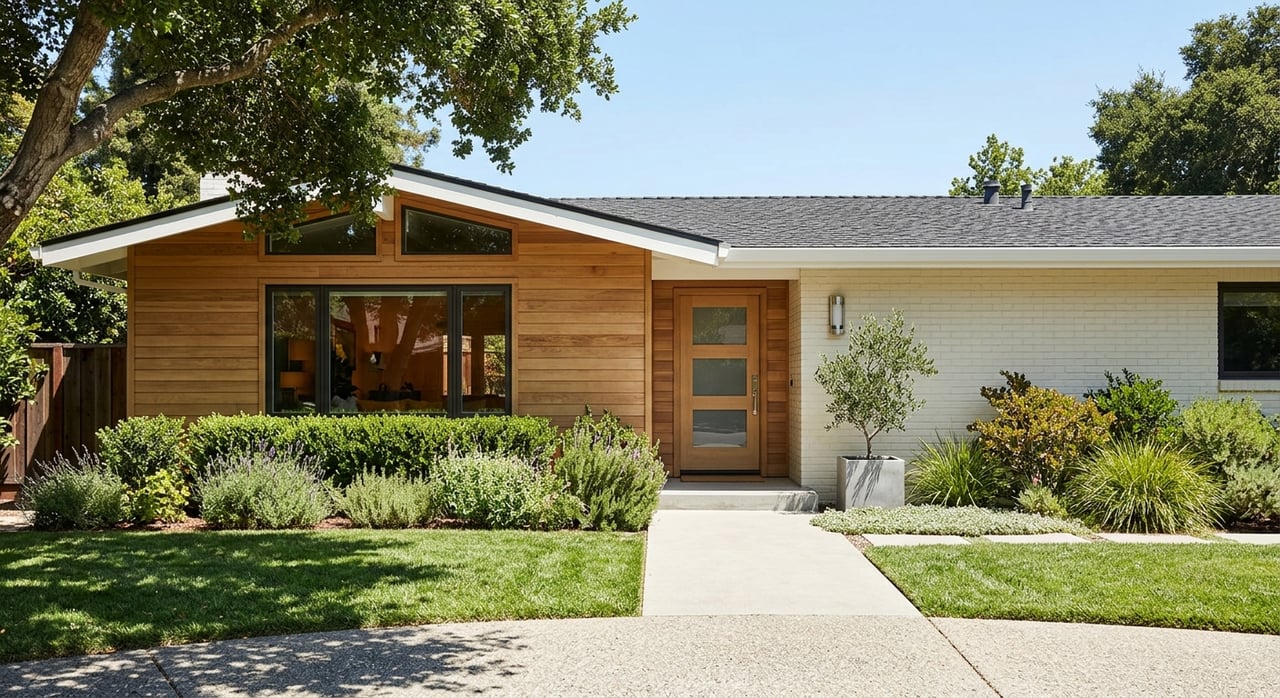
Alamo is primarily single-family homes. You will see ranch, traditional, Mediterranean or Mission-influenced styles, mid-century designs, and custom contemporary estates. Most neighborhoods are low-density with mature landscaping and private yards.
Alamo’s village center supports routine errands. Expect a small selection of restaurants and cafés, a market or grocery presence, a pharmacy or general retail, and local service businesses like dentists or vets. It works well for daily needs and casual dining.
For a wider range of shopping, dining, and entertainment, most residents drive to Walnut Creek or downtown Danville. These nearby hubs offer department stores, specialty shops, and a broader restaurant scene.
Healthcare is available through local clinics and private practices, while full-service hospitals and specialty centers are in nearby larger cities, including Walnut Creek and other East Bay locations.
If you love the outdoors, Alamo makes it easy. You are close to the Diablo Foothills, Mt. Diablo State Park, and regional open space, which offer hiking, trail running, mountain biking, and scenic overlooks. Neighborhood parks serve daily play and picnics, and private golf and country clubs in or near Alamo provide golf, tennis, fitness, and social options for members.
Equestrian activity is part of the local culture in some areas. Certain properties and neighborhoods accommodate horse facilities and access to riding trails where allowed. Weekends can also mean quick trips across the Bay Area, with wine country, the delta, and regional cultural sites within reach depending on traffic.
Alamo sits along Interstate 680, the primary north-south corridor connecting Walnut Creek, Concord, and San Ramon, with links to the South Bay. Most residents drive. Peak-hour congestion on I-680 and major arterials is a routine consideration.
Public transit is available but not the primary mode for most commuters. Alamo does not have its own BART station. The nearest stations are in Walnut Creek and nearby cities, typically reached by car or County Connection bus. Bus service can be helpful for BART connections, though frequency is lower than in urban cores. There is no direct commuter rail or ferry from Alamo, so you will drive to connection points.
Because Alamo is unincorporated, Contra Costa County manages building permits, planning, and land-use approvals. Before you buy or begin a remodel, check county rules for setbacks, lot coverage, pools or ADUs, and any neighborhood covenants or HOA guidelines that may apply.
Property taxes follow statewide rules, with a base rate plus local assessments where applicable. Review the current tax bill for any property you are considering to understand district assessments or parcel taxes.
Utilities are provided by a mix of regional providers and local districts. Some properties may have private well or septic systems. Internet and cellular coverage is generally strong near the village and main corridors, but more rural parcels can have variable service. Always verify service availability for remote work and streaming.
Pros
Cons
Choose Alamo if you value space, privacy, and quick access to the outdoors, and you are comfortable driving for most errands and transit connections. The trade-off is fewer on-the-doorstep urban amenities, but you are minutes from Walnut Creek and Danville when you want a wider selection. Inventory can be limited, so having a clear plan and local guidance helps you move quickly on the right property.
Buying in Alamo often means balancing lot size, renovation plans, and commute patterns. Selling a large-lot home benefits from targeted marketing, strong presentation, and an agent team that understands estate-style properties and county-level permitting nuances. If you want thoughtful, locally grounded guidance in Alamo and neighboring East Bay communities, reach out to Jeff Snell for a conversation about your goals.
We pride ourselves on informing and educating our clients in order to make better real estate decisions. Contact us today to find out how we can be of assistance to you!
Get in Touch With Our Team to Learn More

Jeff Snell & Lynda Snell
93 Moraga Way Ste 103 Orinda CA 94563 Jeff Snell | CA DRE# 01333422