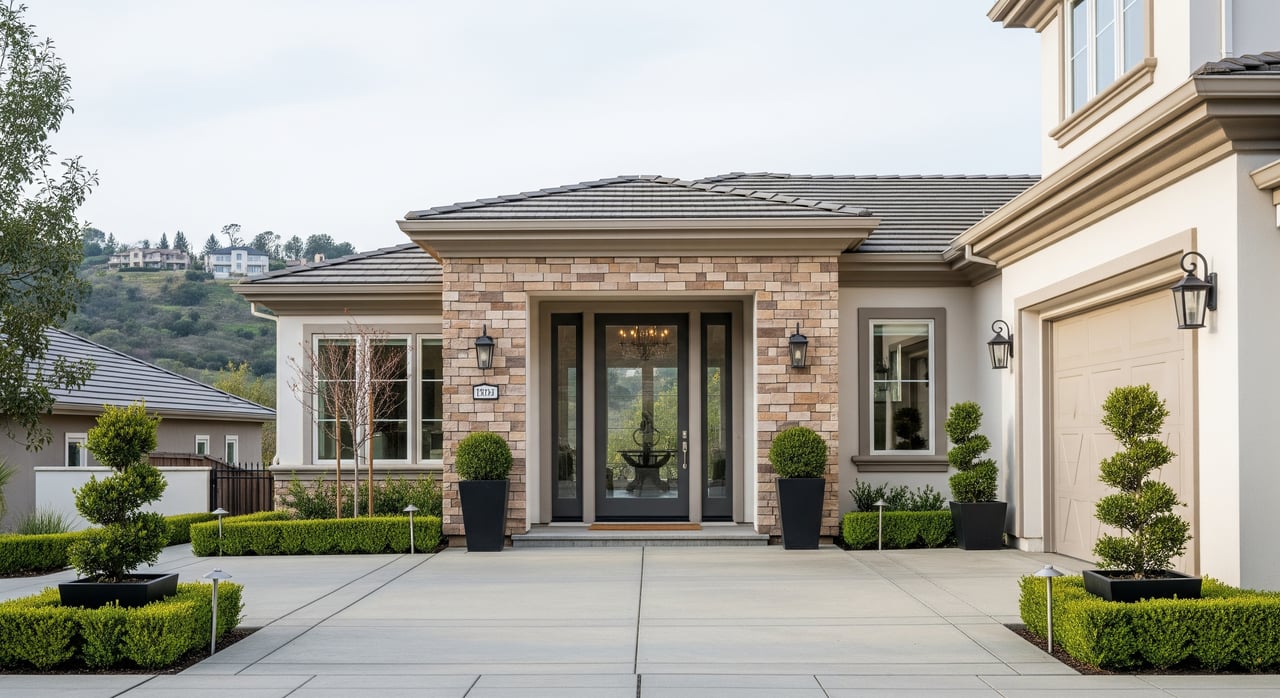
Martinez Home Pre-Inspection Checklist for Sellers
One unexpected inspection finding can derail a Martinez escrow. If you are listing a vintage downtown bungalow or a hillside home near the Carquinez Strait, you know older systems, hazard maps, and lender questions can pile up fast. The good news is a short list of pre-inspections can surface issues early, set clear expectations, and keep negotiations calm. In this guide, you will learn which pre-inspections matter most in Martinez, what they typically cost, and how to use them to close on time and with confidence. Let’s dive in.
Martinez has a large share of older homes, which often means aging roofs, foundations, wiring, and sewer lines. Buyers also pay close attention to seismic, flood, and wildfire hazard maps that appear in your Natural Hazard Disclosure. Ordering key reports up front reduces surprises and speeds up escrows. Industry data shows that pre-listing inspections build buyer confidence and cut renegotiations.
Environmental questions sometimes come up near industrial zones, and lenders commonly want clarity on safety items like electrical and wood-destroying organisms. The goal is not to fix everything. It is to document condition, make smart repairs, and price or credit for the rest so your deal stays on track.
A full systems inspection covers roof, attic, HVAC, plumbing, accessible foundation, electrical, and drainage. It gives you a clear baseline and a prioritized punch list. Typical Bay Area costs run about 350 to 800 dollars, often around 400 to 600 for a single-family home. For common findings that trigger negotiations, see this overview of frequent home inspection issues. For local pricing context, review Bay Area inspection cost ranges.
A licensed wood-destroying organism inspection checks for termites, dry rot, and conducive conditions. Many lenders expect a WDO report or clearance plan before funding. In older Martinez homes or crawlspace areas with moisture, this is the most common late-stage surprise, so get it early. You can verify licensing and reporting standards through the California Structural Pest Control Board. Typical costs are often 75 to 300 dollars, and some companies bundle with general inspections.
A camera scope of the private sewer lateral can reveal root intrusion, breaks, or offsets that lead to backups and expensive rush repairs. In older neighborhoods or lots with mature trees, this report prevents last-minute renegotiations. If replacement is needed, the local sanitary district offers resources and financing options through the Central San sewer lateral program. Typical scopes run about 150 to 500 dollars.
A detailed roof assessment estimates remaining life and checks flashings, gutters, decking, and attic ventilation or past leaks. Roof issues are among the most common buyer findings. Expect roughly 125 to 350 dollars for a standalone roof review. See frequent inspection findings and Bay Area cost ranges for context.
Older panels, missing GFCI or AFCI protection, and outdated wiring often trigger lender or insurance concerns. A focused evaluation of the main service and visible wiring helps you decide whether to repair pre-listing or price accordingly. Review typical red flags in this guide to common inspection findings.
If your home shows settlement, cracking, or sits in a mapped seismic hazard zone, a structural or geotechnical review can prevent buyer hesitation. The California Geological Survey explains how seismic hazard zones are identified and disclosed. Learn more about seismic hazard mapping and obligations.
If your property falls within a FEMA Special Flood Hazard Area, your buyer’s lender may require flood insurance. Verify status and elevation considerations early using the City’s portal to FEMA flood map tools. Your Natural Hazard Disclosure will also address wildfire and seismic designations.
Pools, spas, chimneys, and on select parcels, wells or septic systems, can surface as final-week issues. If applicable, add these to your pre-listing plan.
A quick case example: a seller with an older Martinez home ordered WDO and sewer scopes before market, treated active termites, and documented a clear lateral. The buyer reviewed the packet, asked minimal repairs, and closed on schedule. This pattern lines up with industry data on how pre-listing transparency speeds escrows.
Ready to prep your Martinez listing with a tight inspection plan that keeps your deal on track. Reach out to Jeff Snell for a local, step-by-step strategy tailored to your home and timeline.
We pride ourselves on informing and educating our clients in order to make better real estate decisions. Contact us today to find out how we can be of assistance to you!
Get in Touch With Our Team to Learn More
Jeff Snell & Lynda Snell
93 Moraga Way Ste 103 Orinda CA 94563 Jeff Snell | CA DRE# 01333422